
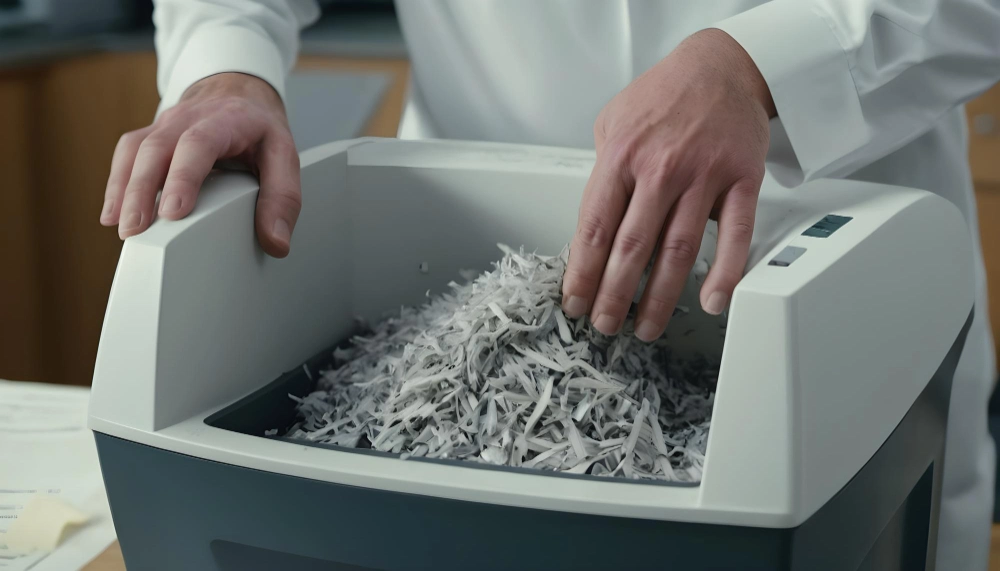
When it comes to protecting sensitive information, businesses and individuals face a crucial decision: Scheduled vs. One-Time Shredding. Understanding the differences helps you choose the right service for your needs while ensuring compliance and security.
What is Scheduled Shredding?
Scheduled shredding refers to a recurring document destruction service. Companies that generate sensitive information on a regular basis, such as financial records, client data, or legal documents, benefit the most from scheduled shredding. This service ensures consistent disposal of confidential papers, reducing the risk of data breaches.
With scheduled shredding, businesses can arrange routine pickups, typically weekly, bi-weekly, or monthly. This guarantees that sensitive documents are never left unattended for long periods, maintaining security and regulatory compliance. Many providers offer on-site shredding services for scheduled plans, allowing employees to watch as their confidential materials are destroyed in real-time.
Benefits of Scheduled Shredding
- Enhanced Security: Regular shredding prevents the accumulation of sensitive documents, reducing the chance of accidental leaks.
- Compliance: Industries like healthcare, legal, and finance must comply with strict privacy laws. Scheduled shredding ensures ongoing compliance.
- Cost-Effective: Frequent shredding avoids the high cost of last-minute bulk destruction services.
- Convenience: Automated scheduling removes the burden of remembering to dispose of confidential materials.
What is One-Time Shredding?
One-time shredding, in contrast, is a single, occasional service to destroy documents. It is ideal for businesses or individuals dealing with occasional sensitive information, like tax files, old contracts, or inventory records. One-time shredding provides flexibility without long-term commitments.
Clients can request either on-site or off-site one-time shredding. For those who prioritize watching the destruction process, on-site options provide peace of mind. For large volumes, off-site services may be more efficient. For anyone searching for paper shredding in Vancouver, one-time shredding services can be tailored to match volume and urgency.
How to Choose the Right Shredding Frequency
The right shredding schedule depends on how quickly confidential paper accumulates, not simply the size of your business. Track the documents approved for disposal over several typical weeks and note how quickly your secure collection containers fill. Include busy periods, seasonal projects, and differences between departments. This gives you a practical starting point for choosing container capacity and collection frequency.
When comparing Scheduled Shredding Services Vancouver options, share these observations with your provider. Maple Leaf Shredding can tailor recurring service to your document volume and operational needs. Review the arrangement after the first few collections, especially if containers fill early or remain mostly empty. A schedule that reflects your actual workflow makes secure disposal easier to manage.
Scheduled vs. One-Time Shredding: Which Should You Choose?
Choosing between scheduled and one-time shredding depends on your volume of sensitive documents and risk management needs.
- High-Volume Businesses: Scheduled shredding is ideal, ensuring continuous protection.
- Low-Volume or Occasional Needs: One-time shredding offers flexibility without ongoing contracts.
- Budget Considerations: Scheduled plans may save money over time for frequent shredding, whereas one-time services prevent unnecessary spending for rare document disposal.
Both options prioritize security, but scheduled shredding adds consistency, while one-time shredding offers situational convenience.
Compare Costs Over the Same Period
Comparing one scheduled collection with one bulk purge can give a misleading picture of value. Instead, estimate what each approach would cost over the same period, such as a quarter or a year. Include the expected number of visits, paper volume, container arrangements, and any collection charges. Ask providers to explain their pricing units so you can compare equivalent services.
Also consider the work your team performs between appointments. Who monitors accumulating paperwork, arranges bookings, and manages secure storage? Occasional disposal may suit a household or an office with very little confidential waste, while regular collections may better support a steady flow of documents. The best choice is the service that fits your disposal needs and budget, rather than an assumption that either option is always cheaper.
Key Considerations Before Hiring a Shredding Service
- Certifications and Compliance: Verify that the shredding company complies with local and federal privacy laws.
- On-Site vs. Off-Site: On-site shredding offers visibility, while off-site can handle larger volumes efficiently.
- Cost Structure: Understand whether the service charges per pound, per bin, or per visit.
- Frequency and Flexibility: Ensure the service can adapt to your changing document disposal needs.
When Combining Scheduled and One-Time Shredding Makes Sense
Scheduled and one-time shredding serve different purposes, so a business may benefit from both. Recurring collections handle everyday confidential waste, while a one-time shredding service handles an unusual backlog or a larger cleanout. For example, an office with regular collections may still need a separate purge when relocating or clearing archived records approved for destruction.
Plan the bulk cleanout separately from your routine collections. Estimate the additional volume, identify the files ready for disposal, and discuss whether a separate appointment is appropriate. This helps prevent a large archive purge from overwhelming containers intended for daily paperwork. You can maintain your usual disposal routine while making specific arrangements for the larger project.
Conclusion
Understanding Scheduled vs. One-Time Shredding is crucial for safeguarding confidential information. Regularly disposing of sensitive documents prevents identity theft, legal risks, and data breaches. Businesses and individuals can choose between consistent, scheduled protection or flexible, occasional shredding depending on their volume and budget.
For a secure, compliant, and convenient solution, evaluate your shredding needs carefully. Companies offering on-site shredding services or paper shredding in Vancouver can help tailor the perfect plan.
FAQ
- Can I use scheduled shredding and book an additional one-time purge?
Yes. Recurring service can handle everyday paperwork, while a separate purge handles a larger cleanout. Confirm the additional appointment and pricing with your provider.
- What if my shredding container fills before collection day?
Contact your provider to discuss an extra collection, a larger container, or a revised schedule. Keep additional confidential documents securely stored.
- Is scheduled shredding only suitable for large businesses?
No. Suitability depends on how regularly confidential documents accumulate and how much secure storage you have, rather than employee count alone.
- Does scheduled shredding mean documents are destroyed on-site?
Not necessarily. “Scheduled” describes collection frequency. Confirm separately whether destruction happens at your location or at an off-site facility.
- What information helps determine which shredding service I need?
Provide your estimated paper volume, how often it accumulates, location, storage capacity, and any upcoming cleanout deadlines.