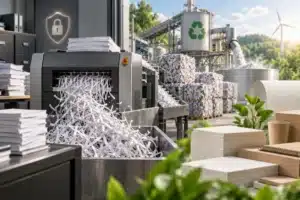

Identity theft is a growing concern for both individuals and businesses. From stolen mail to compromised personal records, the risks are everywhere. Fortunately, shredding prevents identity theft by securely destroying sensitive information before it falls into the wrong hands. Understanding how and why shredding works can save you from costly fraud and stress.
For reliable professional help, you can explore paper shredding in Vancouver to ensure your confidential documents are destroyed safely.
Why Shredding is Essential for Identity Protection
Identity theft occurs when someone obtains personal information, such as Social Security numbers, bank account details, or credit card information, without permission. Fraudsters often collect this data from discarded papers, old bills, or office records. Here’s why shredding matters:
- Eliminates readable data – Destroying sensitive documents ensures thieves cannot retrieve your information.
- Protects personal and financial info – From tax forms to bank statements, shredding safeguards critical details.
- Maintains privacy compliance – Businesses handling confidential client data can meet legal requirements.
Common Documents You Should Shred
| Document Type | Reason for Shredding |
|---|---|
| Bank statements | Prevent account fraud |
| Credit card offers | Avoid pre-approved credit theft |
| Tax returns | Safeguard personal and financial info |
| Medical records | Maintain HIPAA/privacy compliance |
| Bills and receipts | Protect financial identity |
| Old contracts or invoices | Prevent misuse of corporate info |
Shredding these documents regularly demonstrates clearly how shredding prevents identity theft effectively.
How On-Site Shredding Works
For both businesses and individuals, on-site shredding in Vancouver offers a convenient and secure solution. Mobile shredding trucks arrive at your location, and your documents are destroyed in front of you, ensuring complete transparency and peace of mind.
Benefits of on-site shredding include:
- Immediate destruction – No need to transport sensitive files off-site.
- Secure chain of custody – Documents are tracked until completely shredded.
- Time-efficient – Large volumes can be processed quickly.
- Environmentally responsible – Shredded paper is recycled properly.
This method is especially valuable for companies handling confidential client information. Seeing records shredded firsthand shows exactly how shredding prevents identity theft.
Real-Life Scenarios: Why Shredding Matters
- Home office – Tax documents or financial papers left in the trash can be a target for fraudsters.
- Corporate environment – Law firms disposing of client contracts improperly risk exposure of confidential data.
- Medical clinics – Patient records must be handled under strict privacy regulations.
These examples illustrate the practical impact of shredding and why it is a critical defense against identity theft.
Protect Personal Information Before Shredding Day
Shredding helps prevent identity theft at disposal, but confidential documents also need protection while waiting to be destroyed. Keep unwanted bank statements, tax paperwork, and documents containing your Social Insurance Number in a locked cabinet or secure collection container. Avoid leaving them beside ordinary recycling or in open boxes accessible to visitors. Protecting information between use and destruction closes an important gap in your privacy routine.
When searching for secure shredding services near me, ask how documents are handled from collection through destruction. Confirm where shredding takes place, whether you can witness it, and what documentation you receive afterward. Choosing a provider with a clearly explained process helps you manage disposal confidently instead of simply moving sensitive paperwork out of sight.
Clear Accumulated Records During Moves and Major Cleanouts
A household move or office cleanout can uncover years of forgotten paperwork. Old applications, payroll records, and copies of identification may still contain information worth protecting, even when the files are no longer useful. Separate records you need to keep from those approved for destruction before packing or discarding anything. Age alone does not make a document harmless.
For households and businesses comparing purge shredding Vancouver options, a one-time appointment provides a practical way to dispose of accumulated confidential records. Maple Leaf Shredding offers purge services for moves, archive cleanouts, and household paperwork disposal. Estimate your volume, keep the materials securely stored, and arrange destruction around your cleanout schedule to avoid rushed disposal decisions.
Protect Digital Copies When Retiring Old Computers
Destroying paper records does not remove copies saved on old computers or external drives. Scanned identification, financial statements, and customer files may remain on storage devices after ordinary deletion or reformatting. Before recycling, donating, or disposing of equipment, use an appropriate data sanitization or destruction process for the device and the sensitivity of its contents.
Professional Hard Drive Destruction Services can support disposal when a hard drive will no longer be reused. First, back up information you still need and verify that the saved copies are accessible. Then confirm the provider’s destruction method, handling arrangements, and documentation. Addressing both paper records and retired storage devices helps reduce the risk of leaving another copy of your personal information behind.
Conclusion: Protect Your Identity Today
Identity theft is preventable with proactive measures, and shredding is one of the most effective tools. Whether using DIY methods or professional services, consistently destroying sensitive documents shows how shredding prevents identity theft in real-world scenarios.
FAQ
- Does shredding eliminate every risk of identity theft?
No. Shredding reduces exposure from discarded documents, but identity protection also requires secure account access, careful information sharing, and safe device disposal.
- Should I shred documents containing my Social Insurance Number?
Yes, once they are no longer needed. Keep required records securely stored and shred unwanted copies rather than placing them in ordinary recycling.
- Is deleting files enough before recycling a hard drive?
No. Ordinary deletion can leave recoverable information. Use an appropriate sanitization or destruction method before disposal.