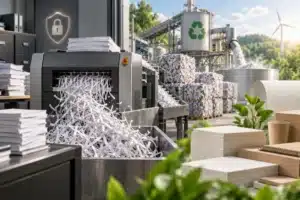

Every home and business collects paperwork over time. Bank statements, invoices, medical records, employee files, tax paperwork, and countless other documents can contain sensitive information that should not be left unprotected. Simply throwing these papers into a recycling bin or trash container can expose personal information and create unnecessary privacy risks.
Understanding what documents should you shred is an important part of protecting yourself, your family, your customers, and your organization. Whether you are cleaning out an office filing cabinet or organizing old household paperwork, knowing which documents require secure destruction helps prevent unauthorized access to confidential information.
This guide explains the documents you should shred, the paperwork that should be kept, and how professional document destruction helps homes and businesses maintain privacy and security.
Why Is It Important to Shred Documents
Many documents contain personal information that can be misused if they fall into the wrong hands. Identity thieves and criminals often search through discarded paperwork to obtain names, account numbers, addresses, signatures, and other sensitive details.
A document does not need to look valuable to create a security risk. Even old receipts, expired cards, or outdated paperwork may contain enough information to compromise your privacy. This is why secure document shredding is an essential practice for both individuals and organizations.
Proper shredding helps protect:
- Personal information documents containing names, addresses, and account details
- Financial records such as statements and payment information
- Customer information collected by businesses
- Internal company paperwork and confidential reports
- Sensitive personal data stored on printed documents
Following a reliable document destruction process ensures confidential materials are destroyed beyond recovery. Instead of depending on basic disposal methods, many households and companies choose professional shredding services to safely handle documents that need shredding.
What Personal Documents Should You Shred at Home
Homes often contain years of paperwork stored in drawers, cabinets, and storage boxes. While some records need to be kept for legal or financial reasons, many old documents should be destroyed once they are no longer required.
Knowing what papers should I shred can help reduce clutter while improving privacy protection. Any document containing personal details, financial information, or account information should be reviewed carefully before disposal.

Tax Documents and Old Financial Paperwork
Tax documents and financial paperwork are among the most important documents you should shred. These records often include sensitive details such as income information, Social Security numbers, bank accounts, and employer information.
Examples of tax and financial documents to shred include:
- Old tax returns and supporting documents that are no longer needed
- Bank statements and credit card statements
- Cancelled checks
- Expired financial applications
- Old loan documents
- Outdated investment statements
Before destroying tax documents, make sure they are no longer required for legal, tax, or financial purposes. Keeping unnecessary financial paperwork increases the chance of accidental exposure.
Medical Records and Insurance Documents
Medical records and insurance paperwork contain private information that should be protected. Documents related to healthcare history, prescriptions, claims, and coverage details can reveal sensitive personal information.
Examples of medical and insurance documents to consider shredding include:
- Old medical bills and statements
- Expired insurance documents
- Insurance claim paperwork
- Prescription labels containing personal details
- Healthcare provider correspondence
When medical records are no longer needed, confidential documents shredding provides a safer way to dispose of them while maintaining privacy.
Pay Stubs, Bills, and Receipts With Personal Information
Pay stubs, household bills, and receipts may appear harmless, but many contain information that should not be publicly available. These documents can include account numbers, addresses, employee details, or transaction records.
Documents that need shredding in this category include:
- Old pay stubs
- Utility bills with account information
- Receipts with personal information
- Credit card receipts
- Shipping labels containing personal details
Using proper confidential paper disposal methods prevents sensitive information from being recovered after disposal.
What Business Documents Should Companies Shred
Businesses handle large amounts of confidential information every day. From employee files to customer records, companies have a responsibility to protect information belonging to employees, clients, and partners.
Poor document disposal practices can damage a company’s reputation and create compliance concerns. Organizations should establish clear policies for identifying business documents that require secure destruction.
Employee and Payroll Records
Employee and payroll documents often contain private information that should only be accessible to authorized personnel. Old files should be reviewed regularly and destroyed when retention requirements have been met.
Examples include:
- Previous employee records
- Payroll reports
- Salary information
- Employment applications
- Timekeeping documents
- Benefits paperwork
A consistent shredding schedule helps businesses safely remove unnecessary employee information while reducing storage issues.
Customer and Client Information
Companies often store customer details, contracts, invoices, and service records. Protecting this information is essential for maintaining trust and meeting privacy obligations.
Documents you should shred in this category include:
- Customer applications
- Client agreements that are no longer required
- Contact lists
- Customer payment records
- Service documentation containing private information
Secure handling of customer information demonstrates a company’s commitment to responsible data management.
Financial Documents and Accounting Records
Accounting records and financial reports can contain highly sensitive business information. These documents should never be discarded without proper destruction.
Common paperwork to destroy includes:
- Old invoices
- Expense reports
- Accounting records
- Financial reports
- Payment records
- Outdated bookkeeping documents
Businesses looking for reliable options may consider shredding services Vancouver to manage confidential business paperwork through secure disposal methods.
Old Contracts, Reports, and Internal Files
Companies accumulate many internal documents throughout their operations. Old contracts, project files, meeting notes, and reports may contain valuable business information.
Documents to shred may include:
- Expired contracts
- Internal reports
- Draft documents
- Strategic planning materials
- Outdated operational files
Organizations that need regular document disposal can benefit from structured programs, including on-site shredding services that allow confidential materials to be destroyed at the business location.
Documents You Should Never Throw in the Trash Without Shredding
Certain documents should always be reviewed before disposal because they may expose personal or business information. Throwing these papers directly into regular waste creates unnecessary risks.
Examples of sensitive documents to shred include:
- Bank statements and financial records
- Medical records
- Insurance documents
- Employee paperwork
- Customer files
- Legal documents containing private information
- Documents with signatures or account numbers
- Old documents to shred that contain identifying details
Many people underestimate how much information can be found in discarded paperwork. A single document can reveal enough details to contribute to identity theft or unauthorized account access.
Resources such as How Shredding Prevents Identity Theft: A Complete Guide explain why secure destruction plays an important role in reducing privacy risks.
Documents You Should Keep Instead of Shredding
Not every document should be destroyed immediately. Some records should be stored securely because they may be needed for financial, legal, or personal reasons.
Documents that may need to be kept include:
- Current tax documents required for reporting purposes
- Active insurance policies
- Property ownership records
- Legal agreements currently in effect
- Important identification documents
- Current financial records
Before shredding, organize paperwork into categories: keep, archive, or destroy. This approach prevents accidentally removing documents that may still be valuable.
How Long Should You Keep Documents Before Shredding
The correct retention period depends on the type of document and your personal or business situation. Some records must be kept for several years, while others can be destroyed once they are no longer useful.
Consider these factors before shredding:
- Legal requirements for specific records
- Tax and accounting guidelines
- Business compliance obligations
- Personal financial needs
- Whether the information is still relevant
After documents reach the end of their useful period, secure paper disposal ensures they are removed safely.
For businesses managing large volumes of records, professional document destruction services provide a reliable way to handle expired paperwork while maintaining confidentiality.

Benefits of Professional Document Destruction
Professional destruction solutions offer a higher level of security than basic home shredders or regular trash disposal. They are designed to protect confidential information from collection, recovery, and misuse.
Key benefits include:
- Improved privacy protection for personal and business records
- Secure destruction of large volumes of paperwork
- Reduced risk of information exposure
- Proper handling of confidential materials
- Documented destruction processes for businesses
Professional shredding services can also support companies with scheduled pickups, secure transportation, and certified document destruction.
For organizations that need to remove outdated electronic storage devices, hard drive destruction services provide a secure method for permanently eliminating stored information.
Common Mistakes People Make When Throwing Away Documents
Many privacy issues happen because people underestimate the value of discarded paperwork. Avoiding common mistakes can significantly improve document security.
Common mistakes include:
- Throwing documents with personal details into regular trash
- Keeping unnecessary paperwork for too long
- Failing to remove labels from packages and receipts
- Using low-quality shredders that do not fully destroy documents
- Ignoring old office files containing confidential information
Another mistake is assuming that small amounts of paperwork do not require professional handling. Even a few documents can contain enough information to create a privacy concern.
For individuals who need occasional help clearing outdated paperwork, one-time shredding Vancouver services can provide a convenient solution for secure document disposal.
Final Checklist: Documents You Should Shred
Before disposing of paperwork, review your files and identify documents that contain sensitive information. A simple checklist can help ensure important materials are destroyed properly.
Documents to shred include:
- Bank statements and credit card statements
- Old tax documents that are no longer required
- Medical and insurance records
- Pay stubs and receipts with personal information
- Expired credit cards
- Customer information records
- Employee and payroll files
- Old contracts and internal business documents
Knowing what documents to shred helps protect your privacy and reduces unnecessary risks. Whether you are organizing your home or managing a company, safely destroying confidential paperwork is an important step toward responsible information management.