1. GDPR-Based Data Protection Rules
One of the most important Protect sensitive data examples is the implementation of GDPR in the European Union. This regulation defines how organizations must collect, store, and delete personal data. Its main goal is to give users full control over their information.
In practice, companies must obtain consent before collecting data, clearly explain its purpose, and provide users with the right to delete their information at any time.
2. CCPA Consumer Data Rights
CCPA in the United States is another strong Protect sensitive data examples framework. It allows users to see what personal data is collected about them and request deletion if needed.
It also prevents companies from selling user data without permission, increasing transparency and accountability in data handling.
3. Data Encryption (At Rest & In Transit)
Data encryption is one of the core Protect sensitive data examples in information security. Data is encrypted in two states: while stored and while being transmitted.
Even if hackers intercept the data, they cannot read it without the decryption key. This method is widely used in banking systems, applications, and payment platforms.
4. Data Anonymization
Data anonymization is a key technique used in analytics and research. Personal identifiers such as names, phone numbers, or IDs are removed or replaced.
This allows organizations to analyze data trends without exposing individual identities, making it widely used in healthcare and research industries.
5. Privacy by Design
Privacy by Design is a modern Protect sensitive data examples approach where security is integrated into the system from the very beginning, not added later.
Instead of fixing security issues after development, the entire architecture is designed to minimize privacy risks from the start.
6. User Consent Management
User consent management is a critical practice in websites and applications. Users must explicitly agree before their data is collected.
It also requires clear communication about how the data will be used, which improves transparency and builds user trust.
7. Secure Data Disposal (Hard Drives)
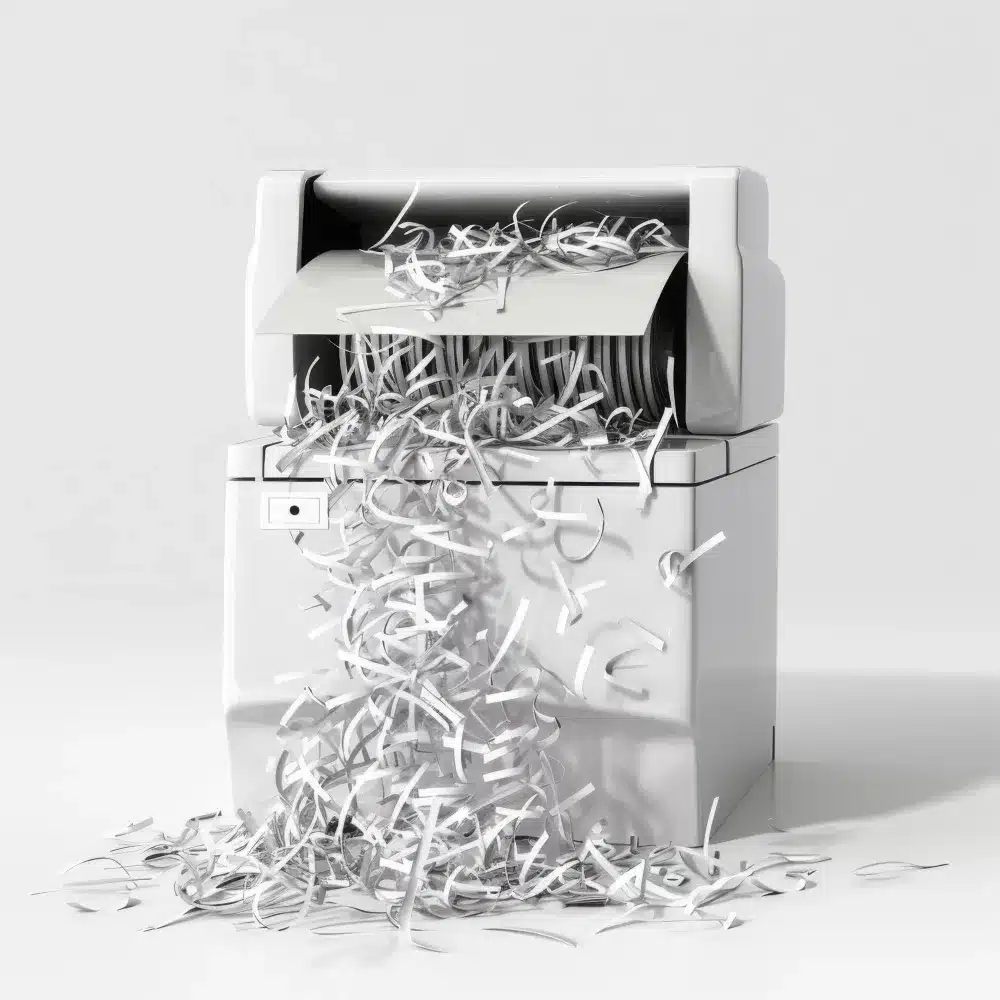
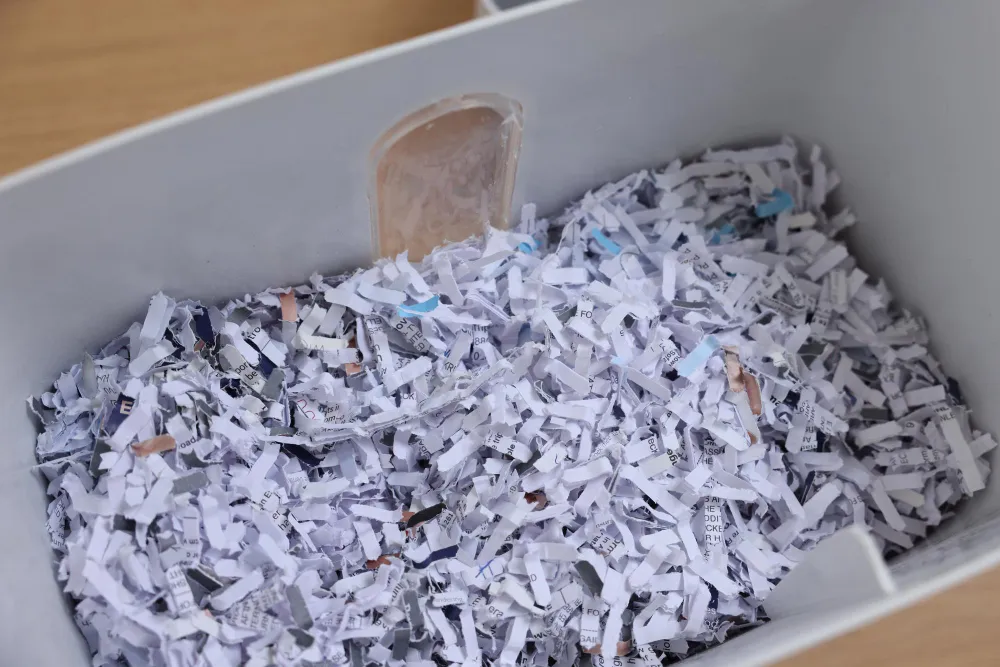
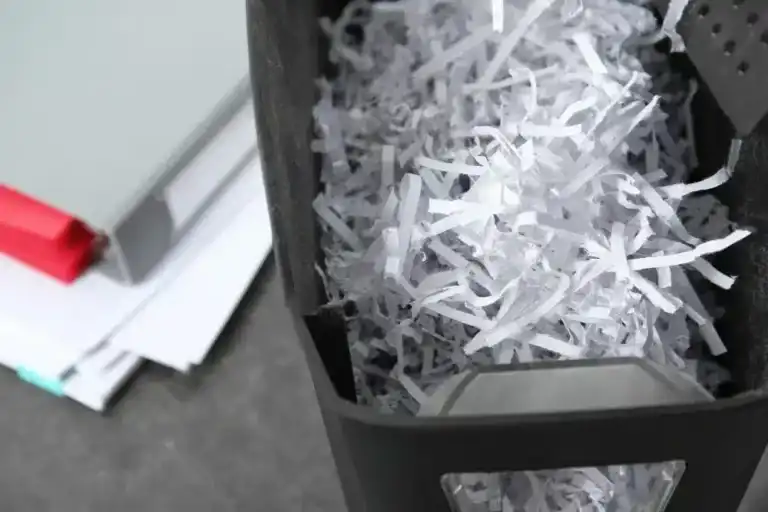
Secure physical disposal is a very important Protect sensitive data examples in real-world security. When hardware is no longer needed, data must be completely destroyed to avoid recovery.
A real example of this is using professional services like Hard Drive Destruction to ensure sensitive information cannot be recovered from old devices.
8. Privacy Impact Assessments (PIA)
Privacy Impact Assessments are advanced used to evaluate risks before launching a new system or processing activity.
This process helps identify potential privacy issues early and ensures they are resolved before implementation.
9. Data Minimization
Data minimization is a simple but powerful strategy. It means collecting only the data that is absolutely necessary.
The less data an organization collects, the lower the risk of breaches, misuse, or unauthorized access.
10. Secure Data Storage & Access Control
Secure storage and access control are essential in every organization. Data is stored in encrypted environments, and access is restricted based on user roles.
For organizations handling secure data management and destruction processes, companies like Maple Leaf Shredding are used to ensure proper compliance and protection.
This ensures that each employee only accesses the information they need, reducing internal security risks significantly.